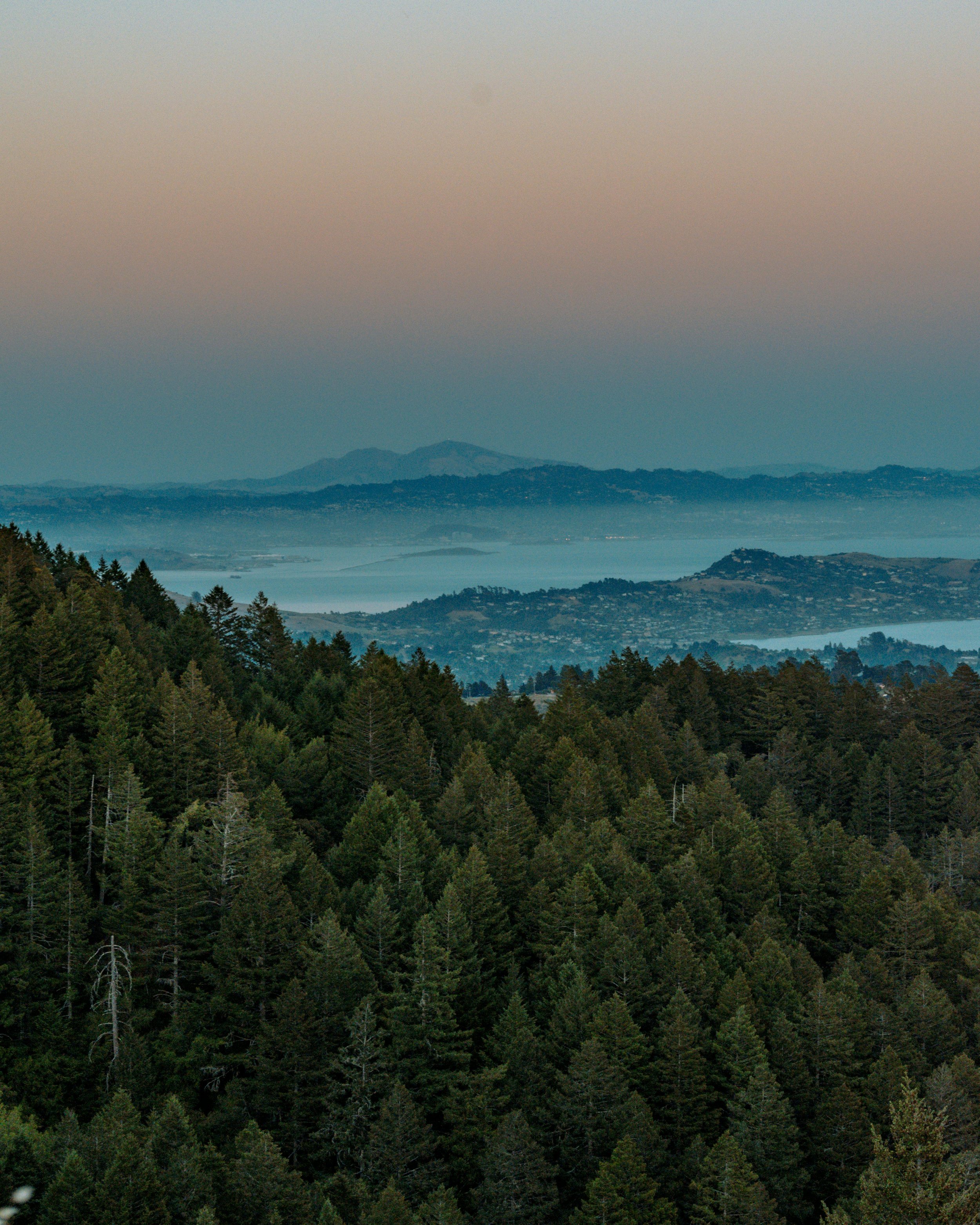
NORTHERN CALIFORNIA
ESTUARY & FOG
Golf shaped by fog, water, movement, and emotional spaciousness.
the founder’s home perspective
I've played golf in places where you can feel the hierarchy before you've even reached the first tee. Belonging is quietly communicated through generations of membership, familiar faces, and an unspoken understanding of who has always occupied the space. None of it needs to be announced because the environment has already done the talking. Northern California certainly has those places, too. Some of the country's most storied private clubs sit only a few miles from municipal courses where anyone willing to pay a greens fee can walk onto the first tee. What stayed with me, though, wasn't the contrast between public and private. It was the culture that seemed to emerge wherever participation was valued more highly than prestige.
I think about the practice green at Monarch Bay Golf Club more often than I think about any single hole. It's rarely quiet, not because people are chasing perfection, but because they're lingering. Children roll putts while retirees offer encouragement without being asked. Women squeeze in an hour of practice after work before the evening light disappears. Friends finish their buckets long before they finish their conversations. The practice green feels like a neighborhood gathering place, and I have come to believe that those kinds of spaces tell us more about the health of a golf culture than any championship pedigree ever could.
The longer I live here, the more I think the Bay Area's greatest contribution to golf is permission. This has long been a region where people imagined lives that didn't yet have a blueprint. That spirit shaped movements for racial justice, queer liberation, public space, and creative experimentation, and I don't think golf exists outside of that cultural inheritance. As a Black queer woman, I know what it feels like to enter a room already reading it before allowing myself to relax. I know the quiet calculation of wondering whether you'll be welcomed, tolerated, or simply overlooked. Northern California has repeatedly interrupted that calculation, not through grand gestures, but through ordinary moments of participation: women practicing alone without apology, queer couples walking nine holes on a Tuesday evening, Black golfers introducing nieces, nephews, partners, and friends to a game that has not always imagined us as part of its future.
No single afternoon transforms a culture. What changes it are thousands of ordinary moments that accumulate into a different expectation of who belongs. That is what I return to the Bay Area for. Not because every course is perfect or every experience is effortless, but because the region continues to remind me that belonging is rarely created by invitation alone. More often, it grows wherever people are given enough room to participate before they're expected to perform. To me, that may be the most generous kind of hospitality golf can offer.
Golf as Public Culture
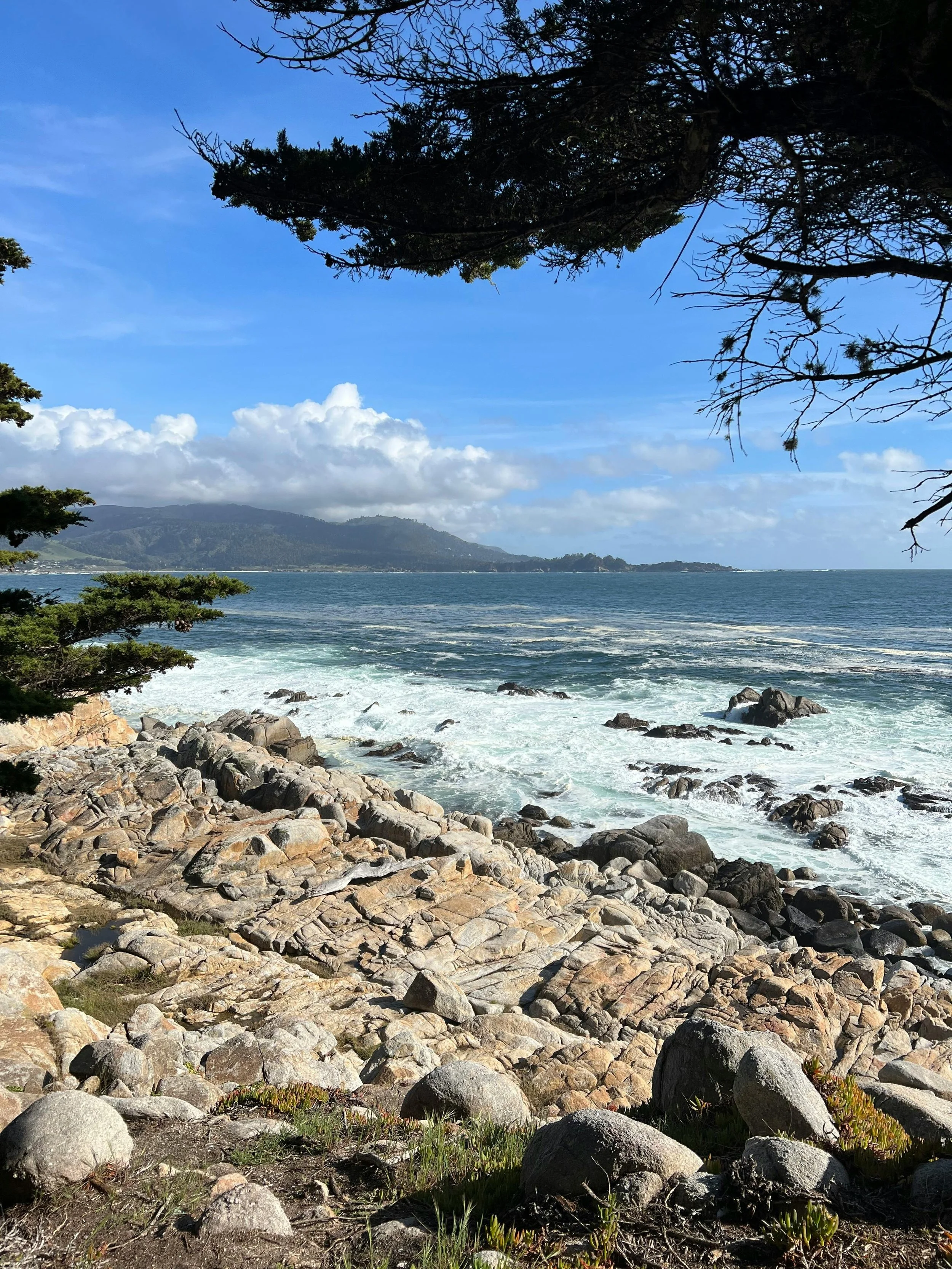
Northern California asks many questions about golf. You can spend the morning walking along the Pacific, the afternoon crossing through vineyards, and the next day playing beneath towering cypress or among rolling East Bay hills. Geography changes quickly here, and so does the character of the game.
What unites the region is an unusually strong culture of public golf.
Many of the Northern California’s most meaningful golf experiences happen on municipal and daily-fee courses where access matters as much as architecture. That has quietly created space for a broader cross-section of golfers—beginners, families, women learning the game, Black golf organizations, LGBTQ+ leagues, junior players, and lifelong regulars—to shape the culture together.
That history matters. The region has long been a place where Black communities built institutions despite exclusion, and where LGBTQ+ communities imagined new ways of gathering, belonging, and caring for one another. Golf is part of that story, too. Courses have become places where Black golf associations, queer golf groups, women-led clinics, and public golf advocates continue expanding who feels seen within the game.
Participation is one of the most powerful forms of hospitality. Northern California reminds us that a golf culture becomes healthier when more people can see themselves reflected within it, and that public space can be just as influential, if not more, as private prestige in shaping the future of the game.
For women, especially for Black women and queer golfers, that distinction is personal.
As complicated as the history may be, Northern California offers repeated evidence that the game can become something larger than competition: a practice of community, recovery, and return.
AFTER-ROUND STANDARD™
Northern Californai teaches a recovery ritual that has very little to do with golf.
Don't rush home after your round. Stay. Order something small.
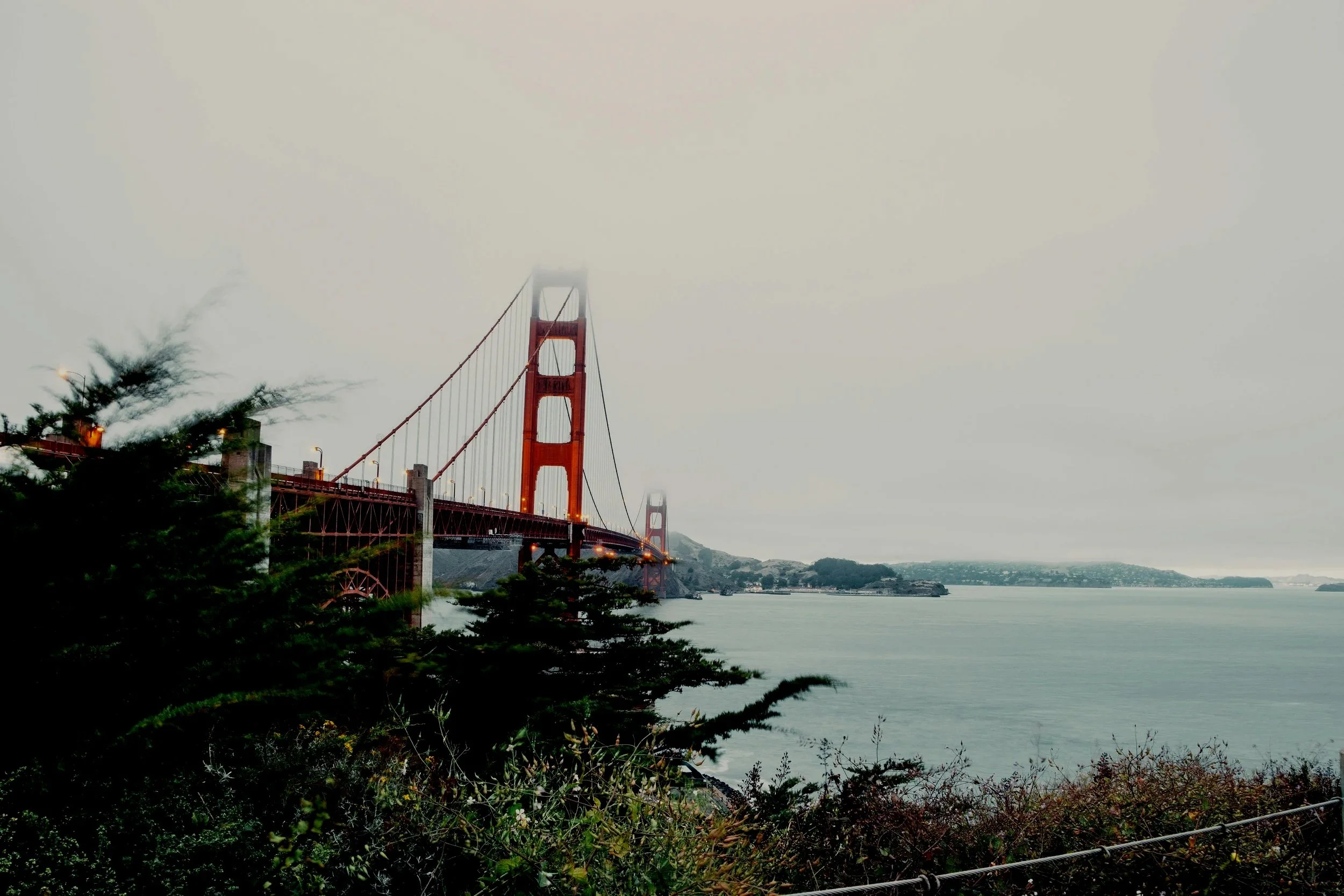
Watch the practice green empty one conversation at a time. Notice how many people remain long after they've stopped playing. Walk the edge of the property if there's water nearby. Let the wind off the Bay or the sun along the vineyards replace the internal replay of your scorecard.
The round is over, but the relationship isn't.
Some of the most meaningful moments in Northern California golf happen after the clubs are back in the bag, when the pressure to perform has dissolved and what remains is the reason many of us came in the first place: to spend time outside, to move our bodies, to laugh with people we love, and to leave feeling more like ourselves than when we arrived.
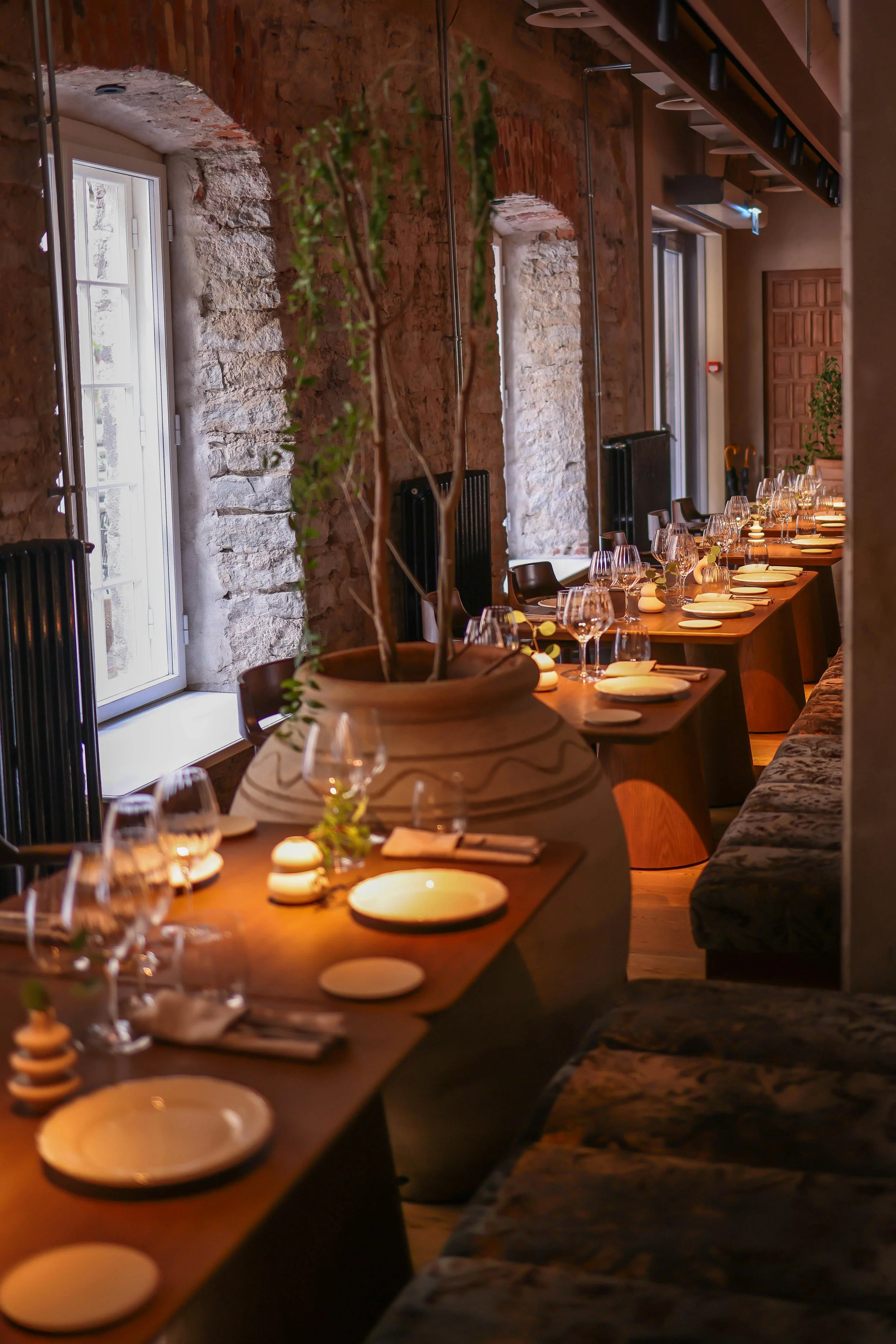
AFTER-ROUND RECOMMENDATIONS