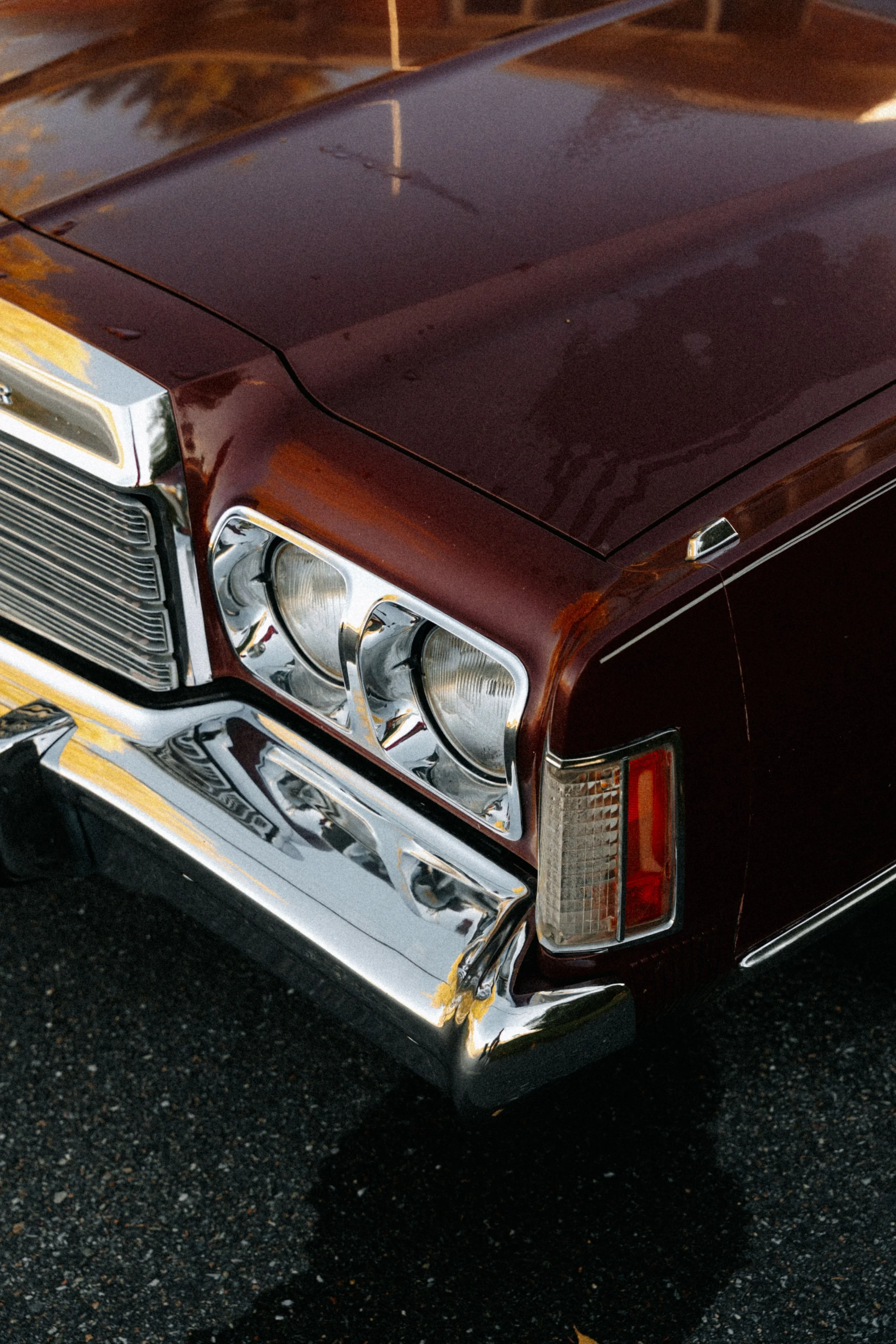
detroit
SELF-MADE
Culture is built with your hands
field notes
Detroit has always understood the difference between making something and merely consuming it. There is a dignity that settles over a city built by people whose hands knew how to transform raw materials into something the world had never seen before. Steel became automobiles. Empty rooms became Motown. Warehouses became techno. Neighborhood parks became professional athletes. Even the skyline carries the confidence of a place that has spent generations creating rather than imitating. Golf belongs to that lineage more than people often realize.
From the outside, Detroit golf is understated. There are no oceans framing the fairways or mountain backdrops demanding attention. You get municipal courses where generations learned the game together, public spaces that still believe golf belongs to everyday people, and a landscape where craftsmanship quietly matters more than display.
Detroit has little interest in appearances that aren't supported by substance. The questions, “What are you building?” follows you along every tee box.
Golf becomes a playground about honoring the work. Every club swing is another repetition. Every round another draft. Every course is another reminder that mastery has always been cumulative. Detroit understands that.
we made this, too
The story of Black Detroit is about creation.
It transformed the Great Migration into one of the greatest concentrations of Black intellectual, artistic, athletic, and entrepreneurial life anywhere in the country. Bronzeville was an entire ecosystem. So were Black Bottom and Paradise Valley before gentrification attempted to erase them. Churches, jazz clubs, beauty salons, union halls, recreation centers, front porches, and neighborhood parks became institutions because Black Detroit decided they would.
Sports followed the same blueprint.
Places like basketball courts, boxing gyms, recreation leagues, and public golf courses are where excellence was practiced.
Black women, especially Black queer women, continue that tradition every time they organize another outing, introduce another beginner to the game, or build spaces where golf becomes less about exclusivity and more about collective possibility. They understand something Detroit has always known: culture lives inside institutions and relationships. Organizations like Stonewall Sports Detroit expand on that philosophy throughout the city. At the Charles H. Wright Museum of African American History, history isn't presented for everyone to witness. Along the Detroit Riverwalk, generations occupy the same public space without asking permission. Inside the Guardian Building, architecture reminds you that beauty can belong to working people.
Detroit refuses the lie that excellence must be exclusive. Black Detroit has been disproving that excellence must be exclusive, while honoring the exceptionalism of Black culture, for generations.
the after-round standard
Recovery in Detroit begins with reclaiming what the day tried to borrow—your body after competition, your time after obligation, and your imagination after hours of execution. Maybe that looks like walking the river as freighters drift quietly toward another country, lingering over dinner where the conversation outlasts the meal, or settling into a listening room where vinyl replaces notifications and no one expects your attention to be divided.
Detroit has always understood that restoration is an act of creation. We make conversation. We make community. We make beautiful things, meaningful work, and room for another woman at the table.
That may be the city's greatest lesson. Black women have been asked to master resilience for generations. Detroit asks something different. It reminds us that our greatest inheritance is not simply our ability to endure, but our ability to create—to shape businesses, friendships, athletic cultures, archives, and lives that reflect who we are.
The PARLO woman leaves Detroit knowing that the strongest things are rarely built all at once. They become extraordinary because someone cared enough to return, again and again, with intention. Round after round. Season after season. Generation after generation.
the detroit palette
-
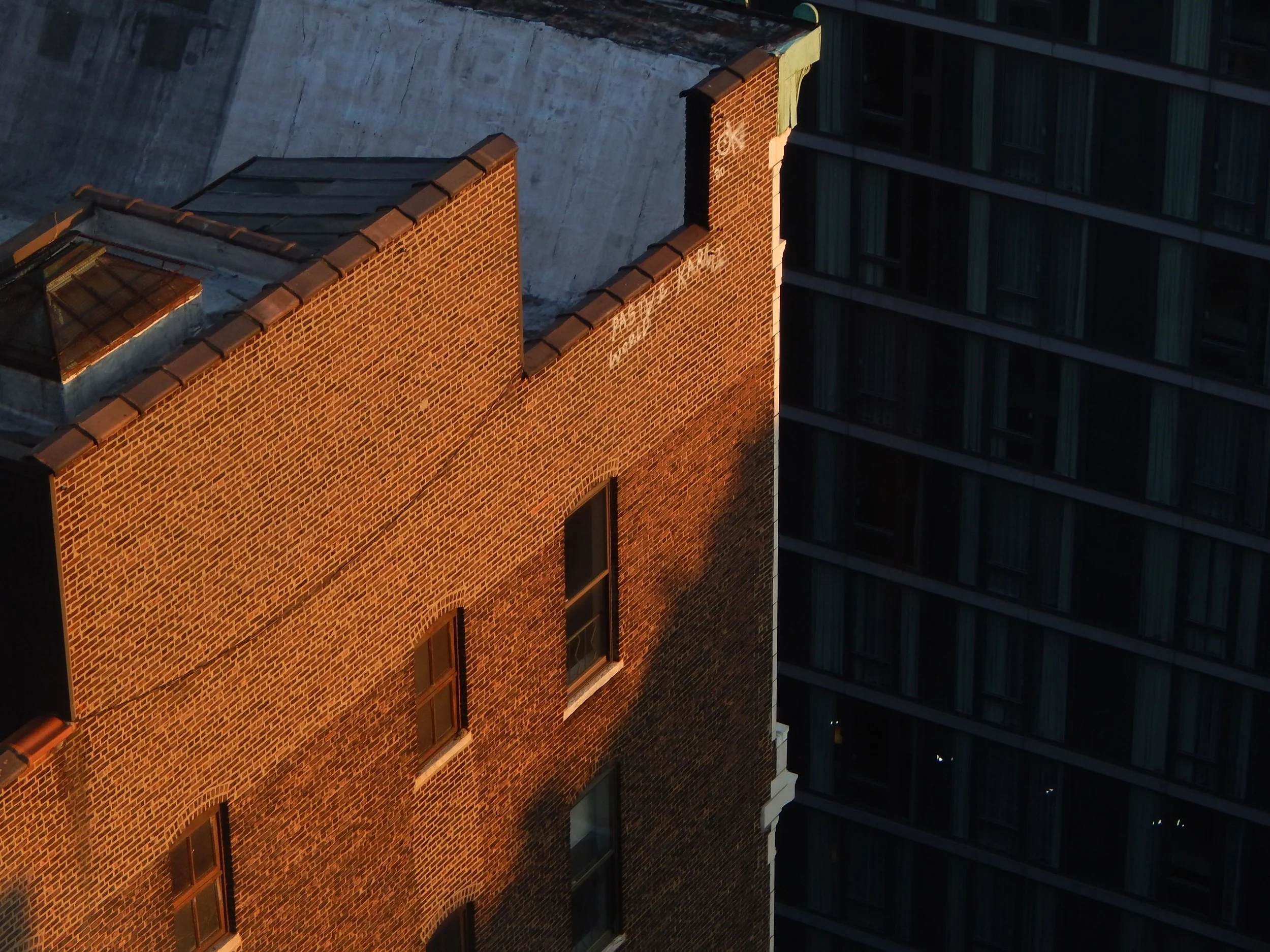
light
-
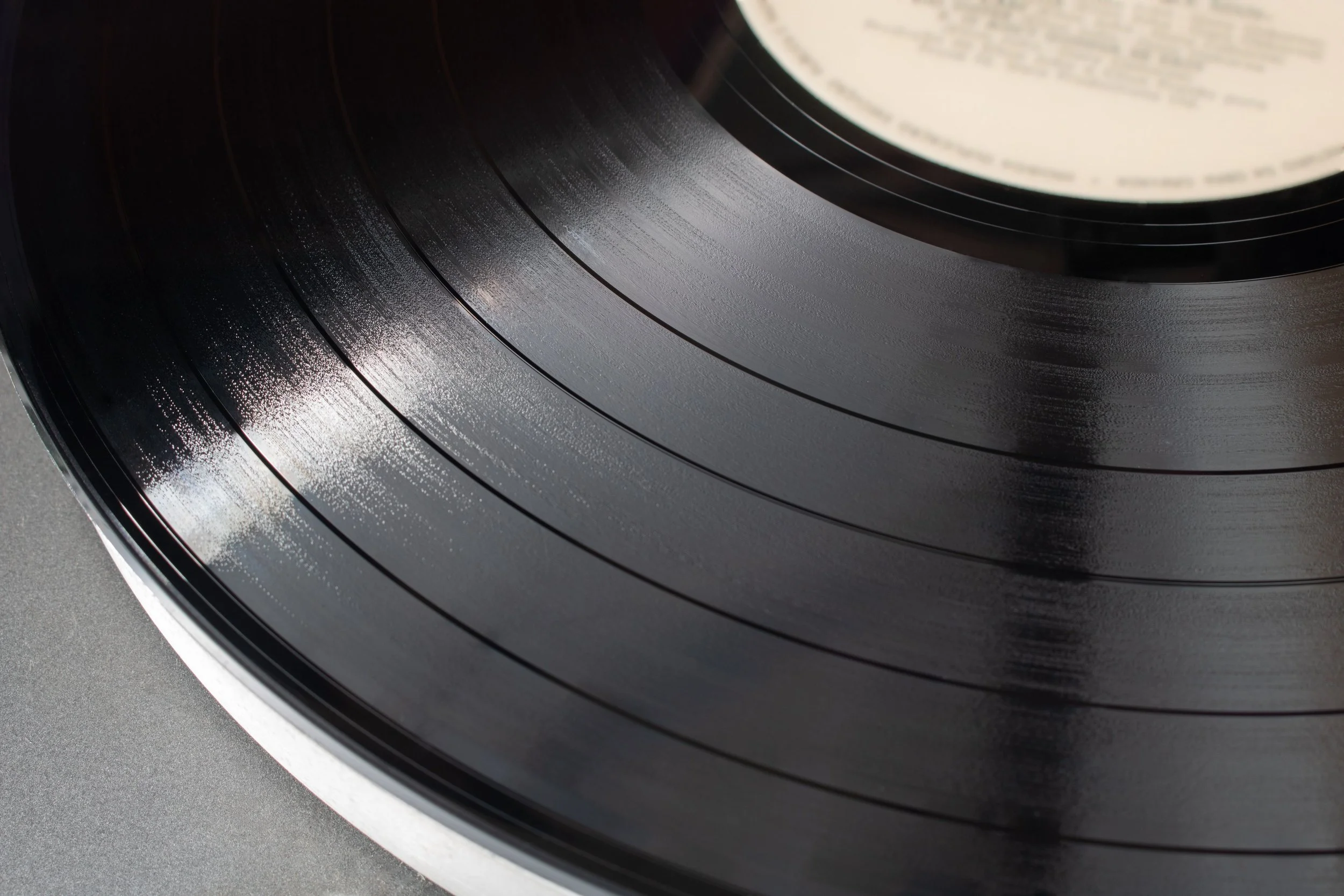
texture
-
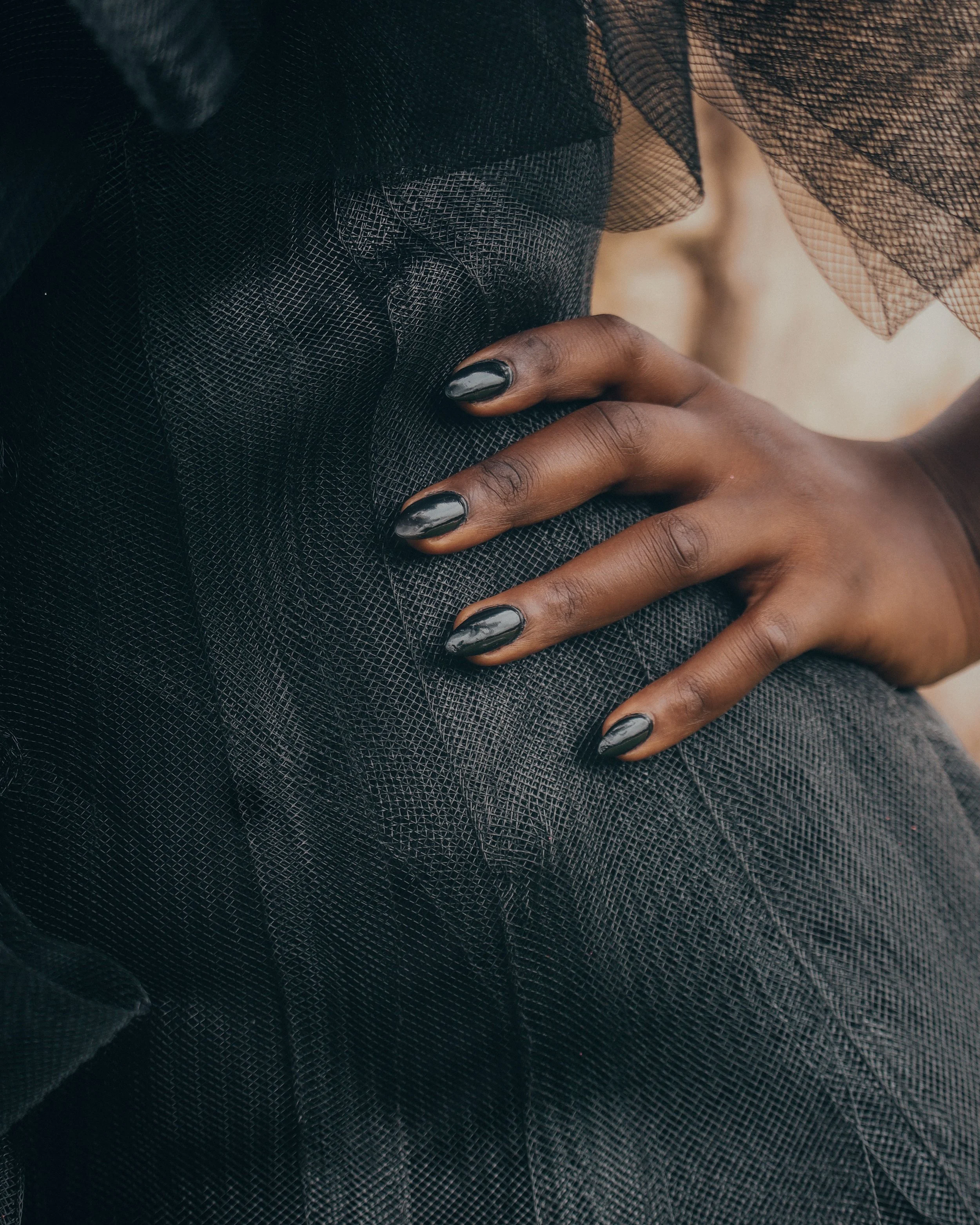
pace
-
emotional tone
AFTER-ROUND RECOMMENDATIONS