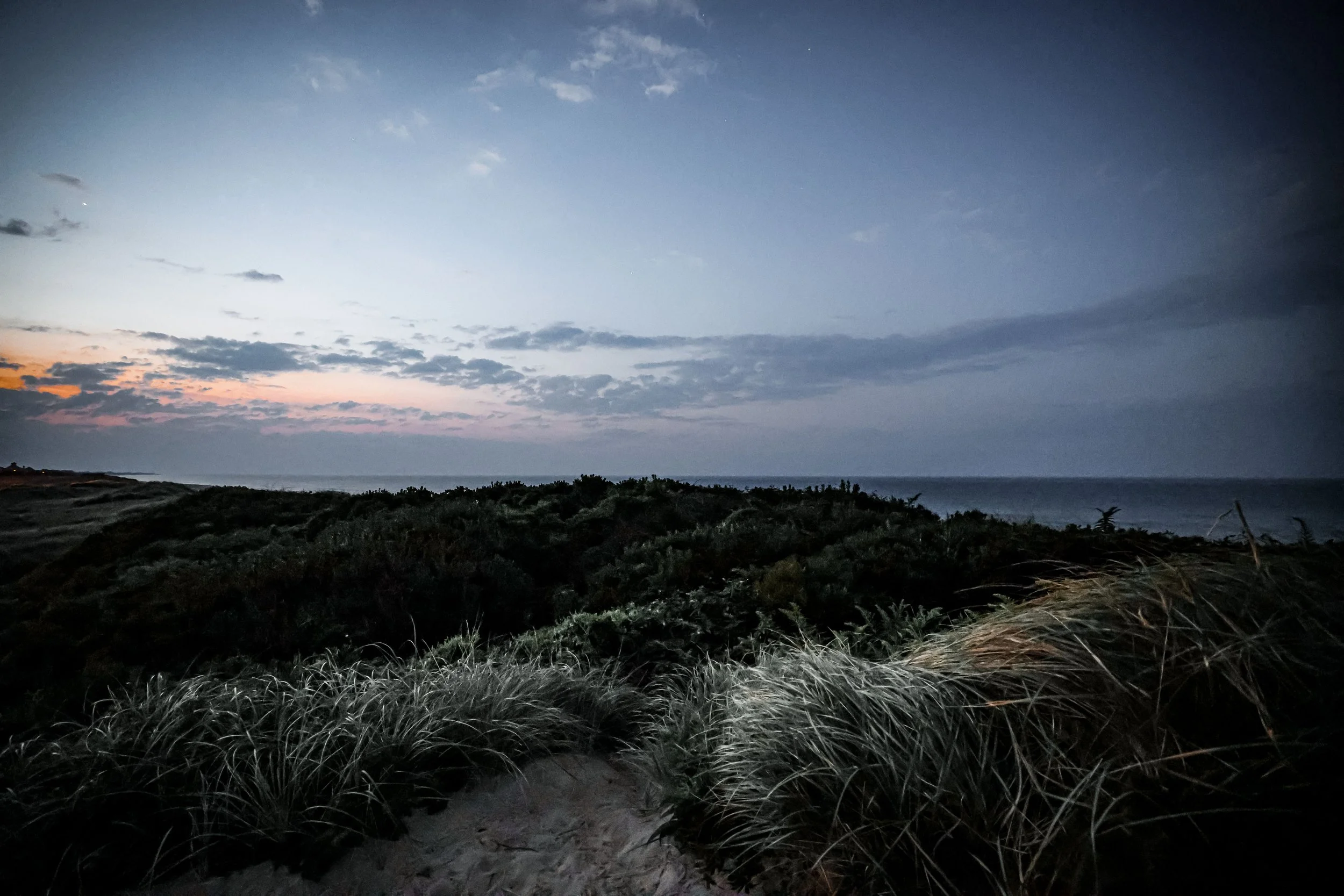
martha’s vineyard
LEISURE & LEGACY
Rest has always been part of our inheritance
field notes
The story of Oak Bluffs. The story of Black families who created one of the country's most enduring landscapes of leisure when so much of America insisted that leisure wasn't meant for us. They came carrying folding chairs, card tables, recipes, church clothes, beach towels, dominoes, and enough food to feed whoever happened to stop by. This wasn’t just about vacationing. They were preserving how we gather, love, and let one another rest.
Golf belongs inside that story. Like much of American golf, the game arrived carrying its own exclusions. Black golfers found pathways through public courses, community organizations, persistence, and relationships that opened doors institutions often left closed.
And Black women did what they've always done which is made the experience feel like home.
We packed an extra sandwich because somebody always forgot theirs. We celebrated the woman playing her first round with the same joy we celebrated the woman breaking eighty. We understood that confidence grows much faster when somebody says, "I've got you."
Black queer women have always extended that tradition. Our history has often traveled through chosen family instead of official institutions. Through beach walks that became lifelong friendships. Through porch conversations that turned strangers into sisters and a quiet hand resting on the small of your back as you walked into a room together, reminding you that you never had to enter alone.
Golf archives don’t recognize those moments as history.
The opportunity on Martha's Vineyard is about introducing more women to golf and protecting the culture that has made Black women feel at home here for generations. We want to see more women teaching, hosting, and more Black women and Black queer women shaping the emotional life of the game.
THE ever-living cookout
There is so much ease on Martha’s Vineyard. A kind of ease that settles over a place after generations of people have decided they belong there. Children ride bicycles without anybody calling them inside. Aunties claim the best spot on the beach before noon. Somebody's uncle is already working the grill. Linen catches the air as salt catches your lips. Somebody laughs loud enough for three porches to hear it. Another woman waves from across the street because even if she doesn't know your name yet, she recognizes something familiar.
None of that is on accident. It happens again and again, summer after summer.
Generation after generation.
Black queer woman, learned that ease is often mistaken for luck. People see the softness without noticing the labor that made it possible. They don't always see the women who built the conditions for everyone else to exhale. The aunties who organized the trip. The grandmothers who saved for one more summer. The couples who made sure there was always another chair at the table. The women who understood that joy deserved as much planning as survival ever did.
Martha's Vineyard is their inheritance.
There is something deeply affirming about standing in a place where Black leisure isn't unusual, There is no statement to be made or permission needed. It simply exists. Black families, elders, couples. and children covered in sand. People laughing from somewhere deep in their bellies. Black queer women holding hands without feeling like they have to explain who they are to the landscape around them.
Healing no longer is is the exception.
Maybe that's why the Vineyard feels less like a destination and more like a reunion. Everybody doesn’t know you but the atmosphere understands who you are. Black joy is expected, ordinary in the most extraordinary way. The Vineyard understands something America has often forgotten. Black leisure is tradition, family history, and cultural preservation.
The women who came before us built places where we could arrive without translating ourselves. They taught us that beauty is something we create for one another, that hospitality is a love language, and that gathering is one of the oldest forms of healing we have.
So yes, the PARLO woman comes to Martha’s Vineyard for the golf and leaves remembering that the strongest communities are built the same way the strongest friendships are—slowly, generously, and with enough room for everyone to just be.
THE AFTER-ROUND STANDARD™
By the time the clubs have been cleaned, nobody seems particularly interested in where the day is supposed to end.
Somebody suggests one more walk down to Inkwell Beach. Somebody opens another bottle of wine. Somebody else starts telling a story they've told every summer for the last twenty years, and somehow everybody listens like it's the first time. That's Vineyard time.
The schedule is loose, the conversation are deeper. Sometimes after-round recovery sounds like cousins arguing over spades. Sometimes it looks like aunties line dancing barefoot in the sand. Sometimes it feels like sitting beside another Black woman in complete silence because neither of you needs to explain what this moment means.
That is the After-Round Standard™- returning to yourself in the company of people who never asked you to become anyone else. It reminds you that you have always deserved somewhere beautiful to rest.
THE MARTHA’S VINEYARD PALETTE
-
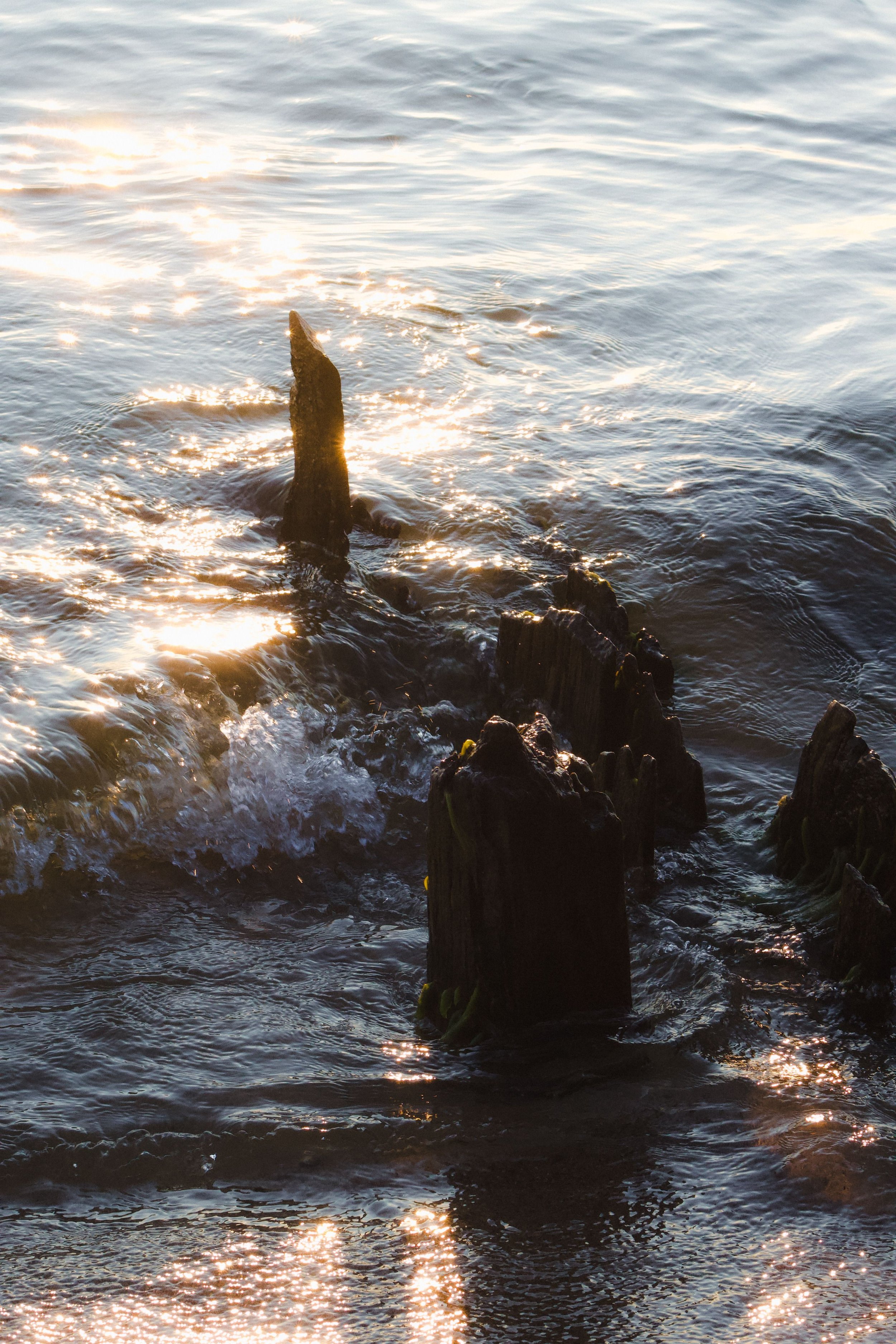
LIGHT
-
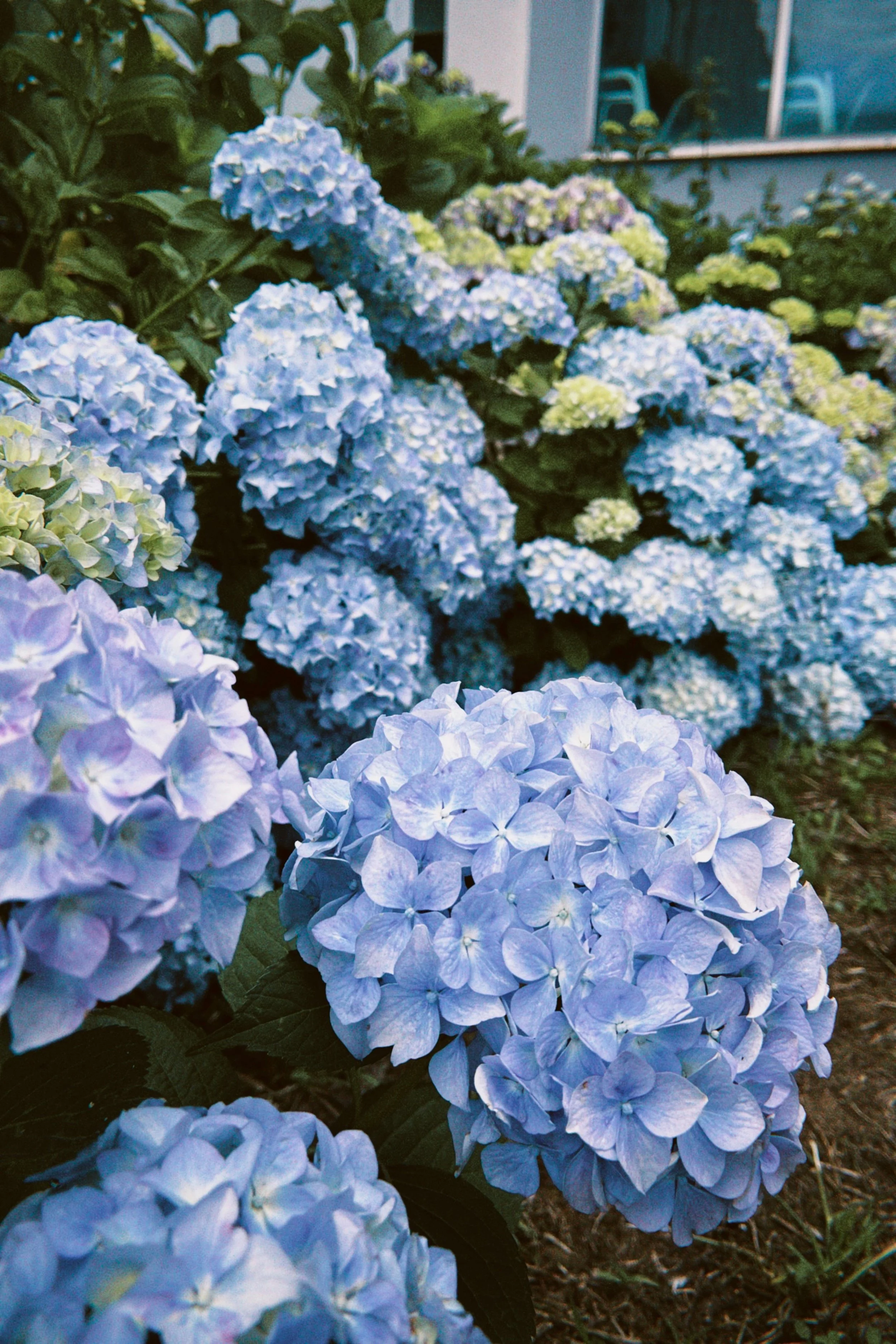
TEXTURE
-
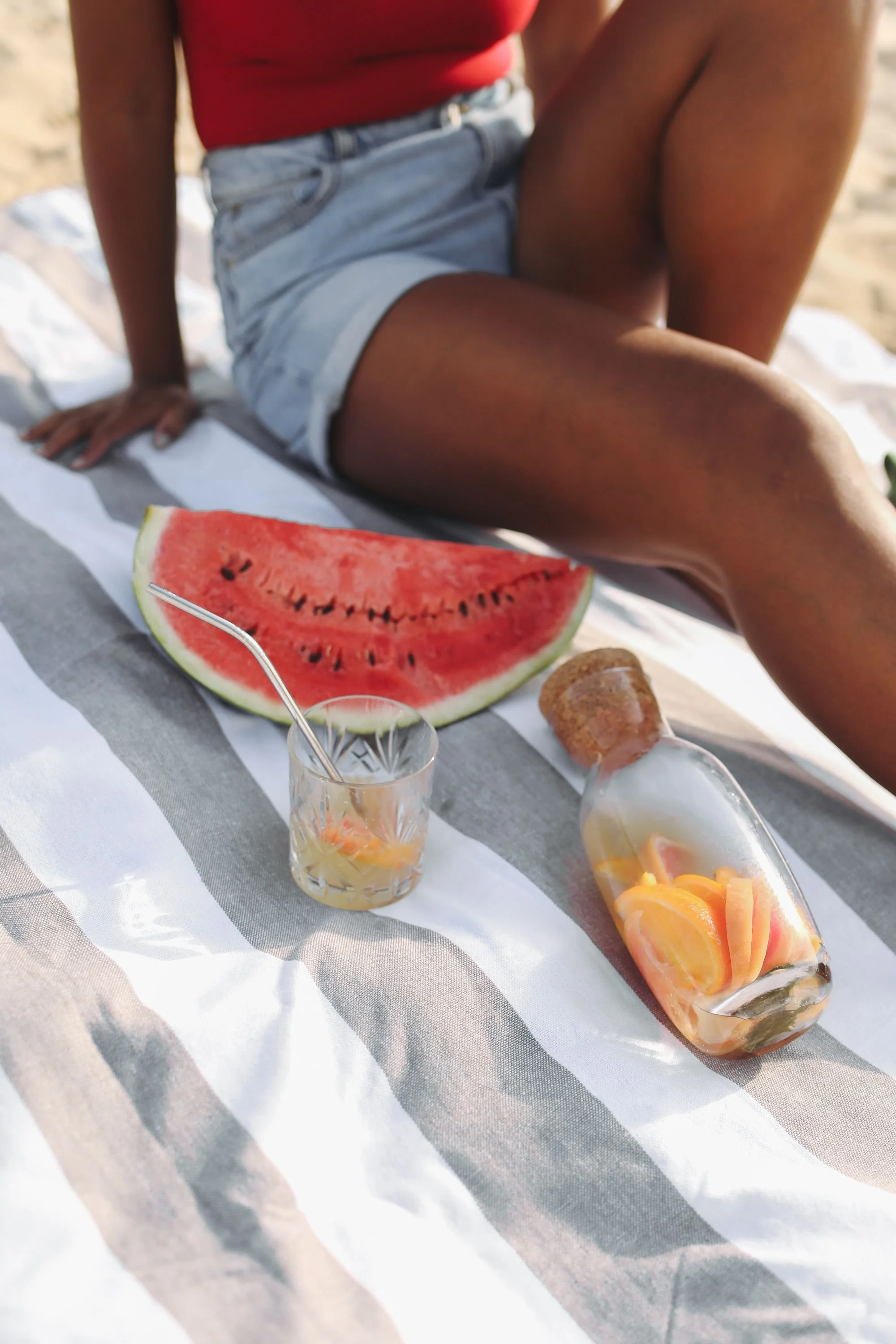
PACE
-
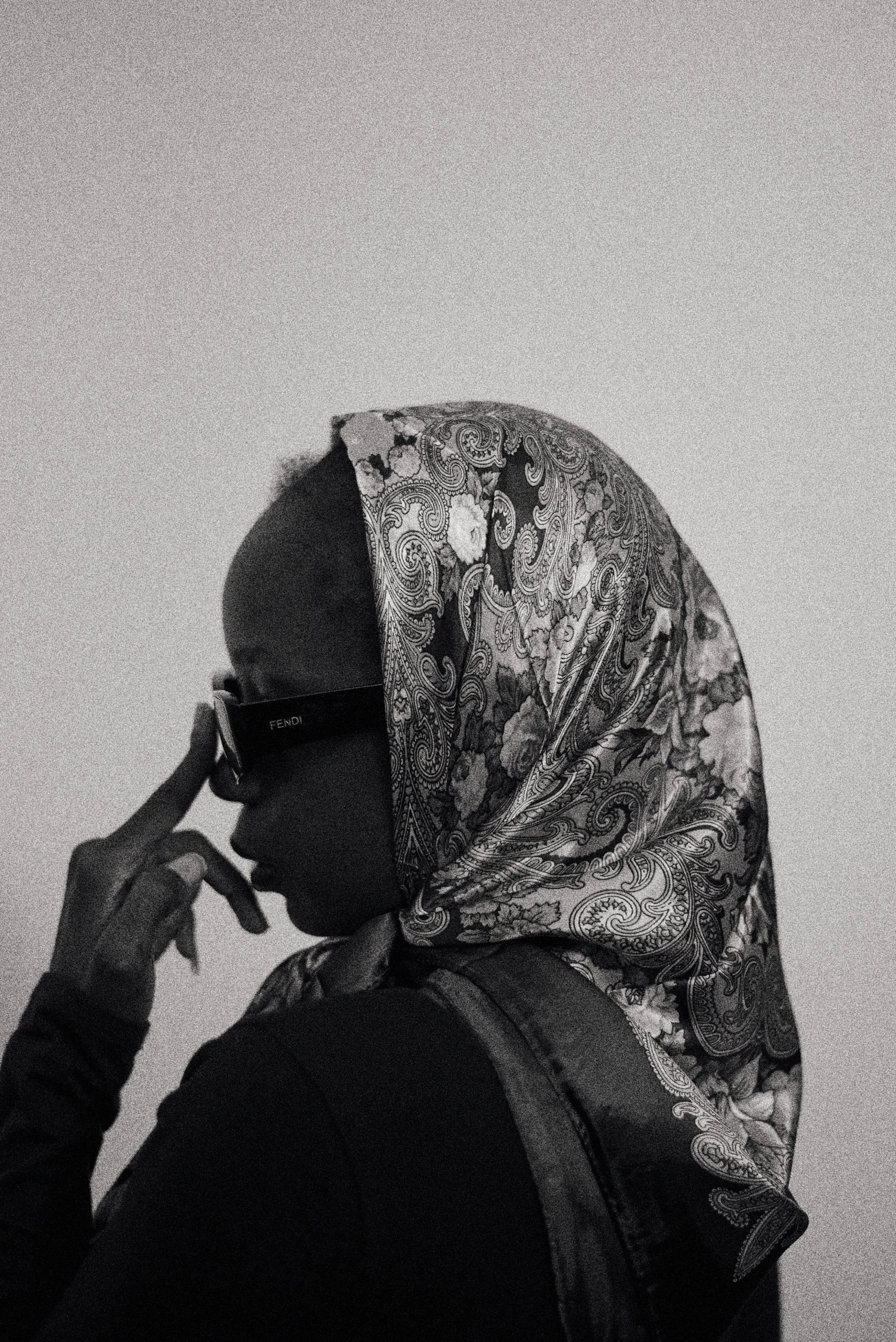
EMOTIONAL TONE
AFTER-ROUND RECOMMENDATIONS