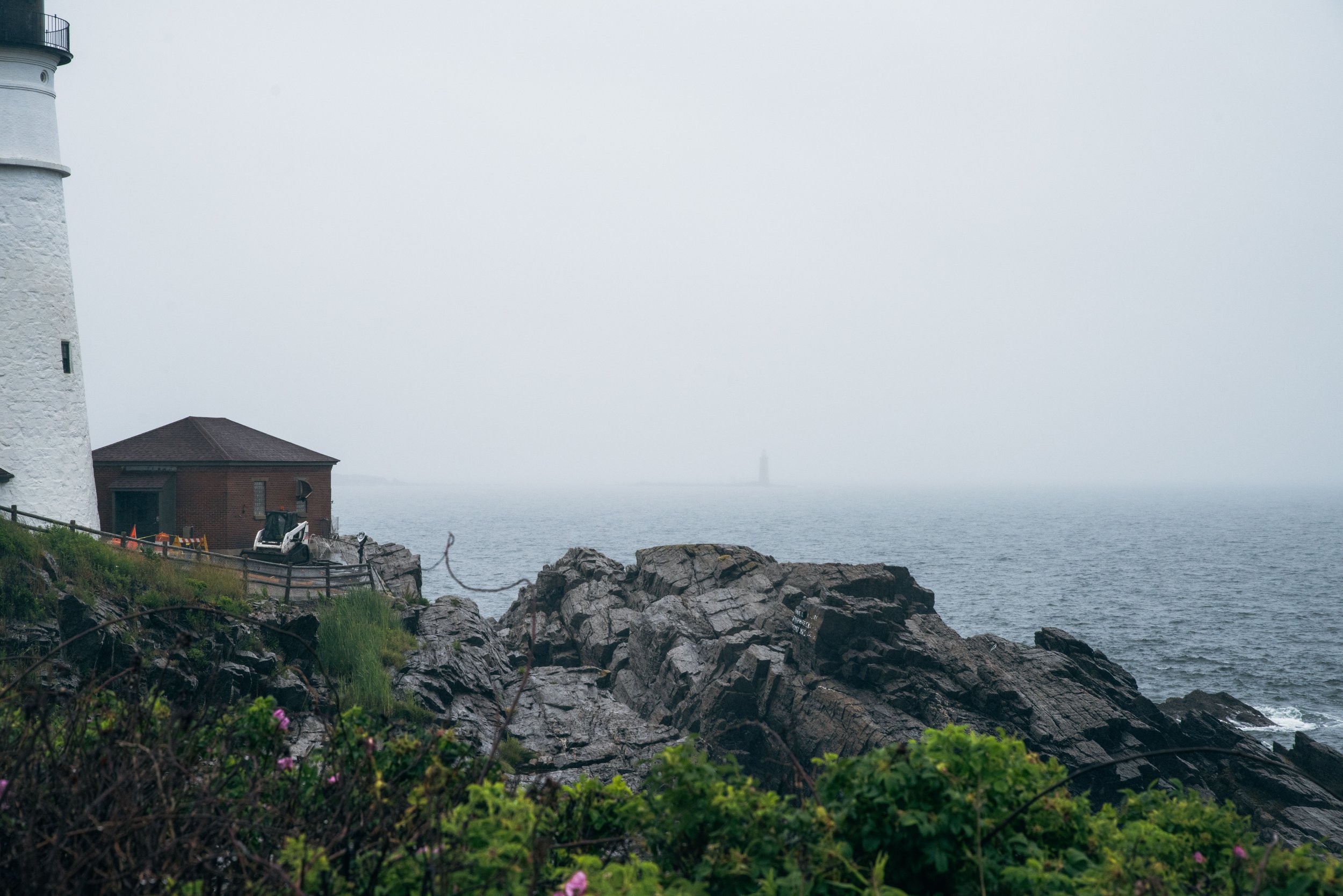
southern MAINE
EDGE OF THE ATLANTIC
The ocean teaches another way to belong
field NOTEs
Southern Maine invites recognition.
Recognition of rhythms that have always sustained women, even when they rarely appeared in the official record. The rhythm of tending something season after season. The rhythm of gathering around tables where conversation mattered as much as the meal. The rhythm of caring for places because someone else would one day need them. Along this coastline, those rhythms feel as present as the tide itself. They live in weathered cedar, working harbors, neighborhood bakeries, gardens returned to every spring, and front porches that still understand the value of sitting together without needing somewhere else to be.
Black women know something about building lives through rhythm.
Our history is full of ordinary practices that became extraordinary acts of preservation. Front yards became gathering places. Beauty parlors became sanctuaries. Church basements became organizing rooms. Public parks became family reunions. We have always known how to create places where care could circulate long before institutions recognized their value. Black queer women extended that tradition again, quietly building chosen families, dinners, bookstores, softball leagues, living rooms, dance floors, and friendships sturdy enough to hold entire versions of ourselves when the outside world could not.
THE TIDE KEEPS THE SCHEDULE
The coastline carries itself with the confidence of something that has never confused care with spectacle. Every weathered dock, every granite wall, every cottage that has welcomed generations of returning families offers the same quiet proposition: things become meaningful because they are cared for repeatedly. Attention accumulates. Beauty accumulates. Belonging accumulates. Perhaps that is why this place feels unexpectedly familiar.
No, its history doesn’t mirror ours, but it does have a way of holding time. It understands that restoration grows through repetition, showing up, and leaving the porch light on. It grows through tending a garden because spring will return whether or not anyone applauds the work. That kind of care has always been deeply recognizable to Black women.
It is also deeply recognizable to queer women, who have spent generations creating homes inside relationships before they could always create them inside institutions. We understand that belonging is something practiced. It lives in who remembers your name, who saves you a seat, who notices when you've grown quiet, who walks beside you without asking you to become someone else first.
The Atlantic moves with patient consistency. Morning light settles gently across cedar shingles. Conversations lengthen because the day itself seems willing to make room for them. The landscape teaches that presence is the way experience becomes visible.
AFTER-ROUND STANDARD™
After your round, allow the Atlantic to become the final fairway of the day.
Carry a sweater over your shoulders and follow the coastline without deciding how far you'll go. Pause whenever the changing light invites you to linger. Find a bench overlooking the harbor, order a cup of tea or coffee, and let the rhythm of the water become the only conversation your nervous system needs for a while. The scorecard has already finished telling its story. The coastline offers another one—one measured in salt air, steady breathing, and the quiet certainty that arriving fully inside your own life can be every bit as meaningful as playing well.
Southern Maine has taught me that recovery often begins with a walk, continues through attention, and stays with us because we allowed the landscape enough time to become part of our own rhythm.
THE SOUTHERN MAINE PALETTE
-

LIGHT
-
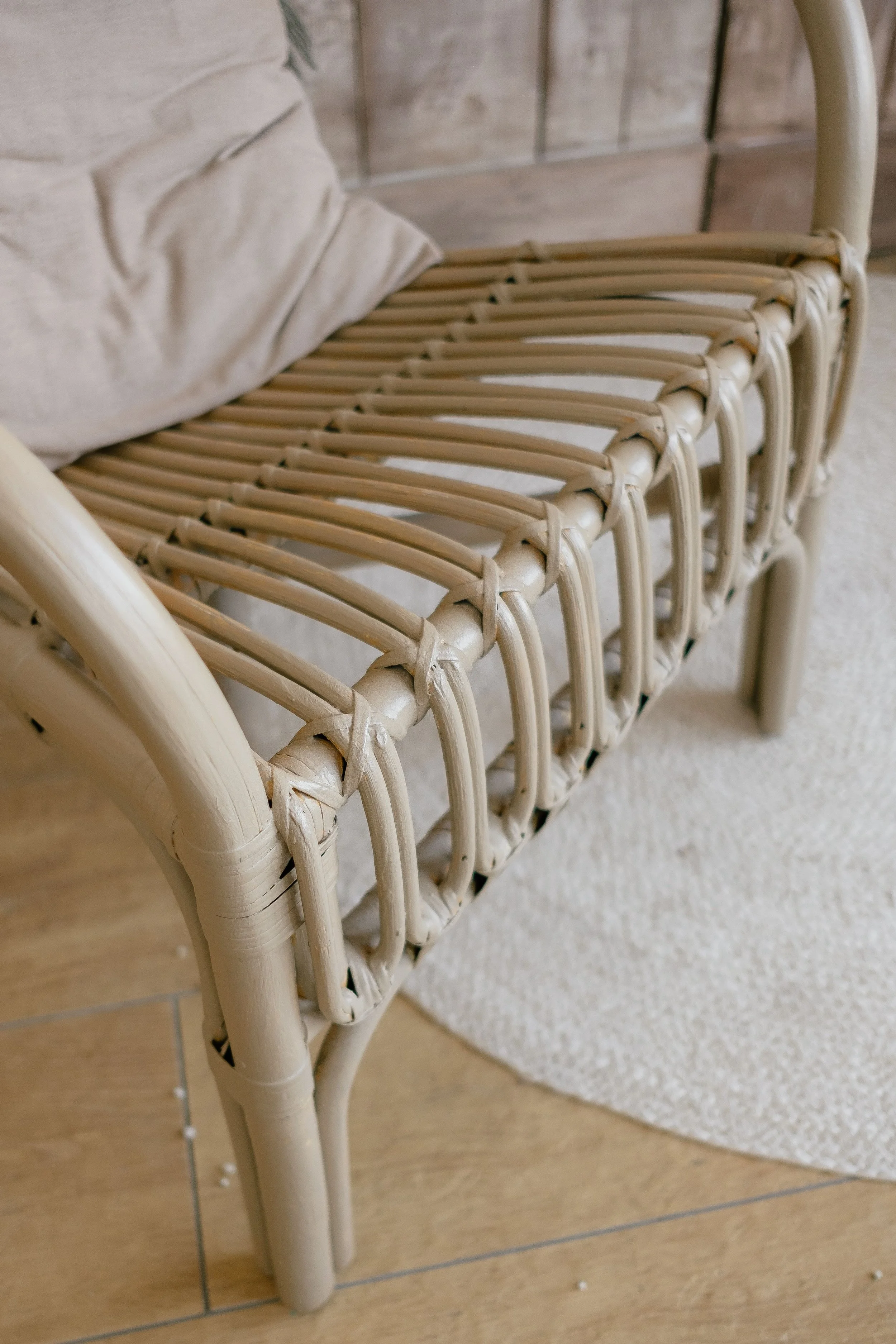
TEXTURE
-

PACE
-
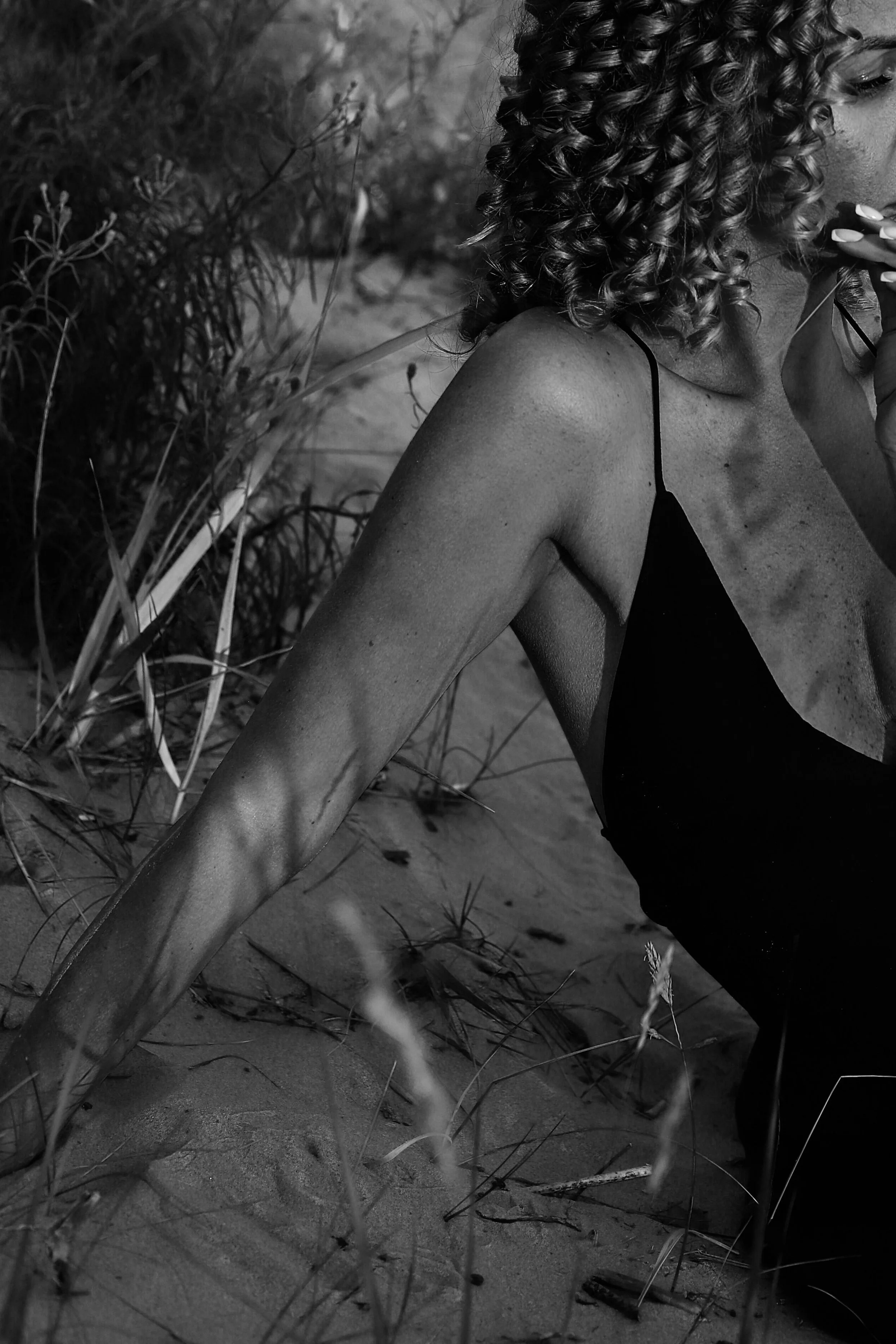
EMOTIONAL TONE
AFTER-ROUND RECOMMENDATIONS