PINEHURST
GRACE & GRIT
Where women decide what’s next.
The House That Golf Built
Even before you arrive at Pinehurst, you already know something about it. The name exists in golf culture almost independently of geography. It lives in conversations, photographs, scorecards, championship broadcasts, and stories passed between generations of golfers. Long before some women visited, Pinehurst existed in their imagination as one of those places that represented golf itself.
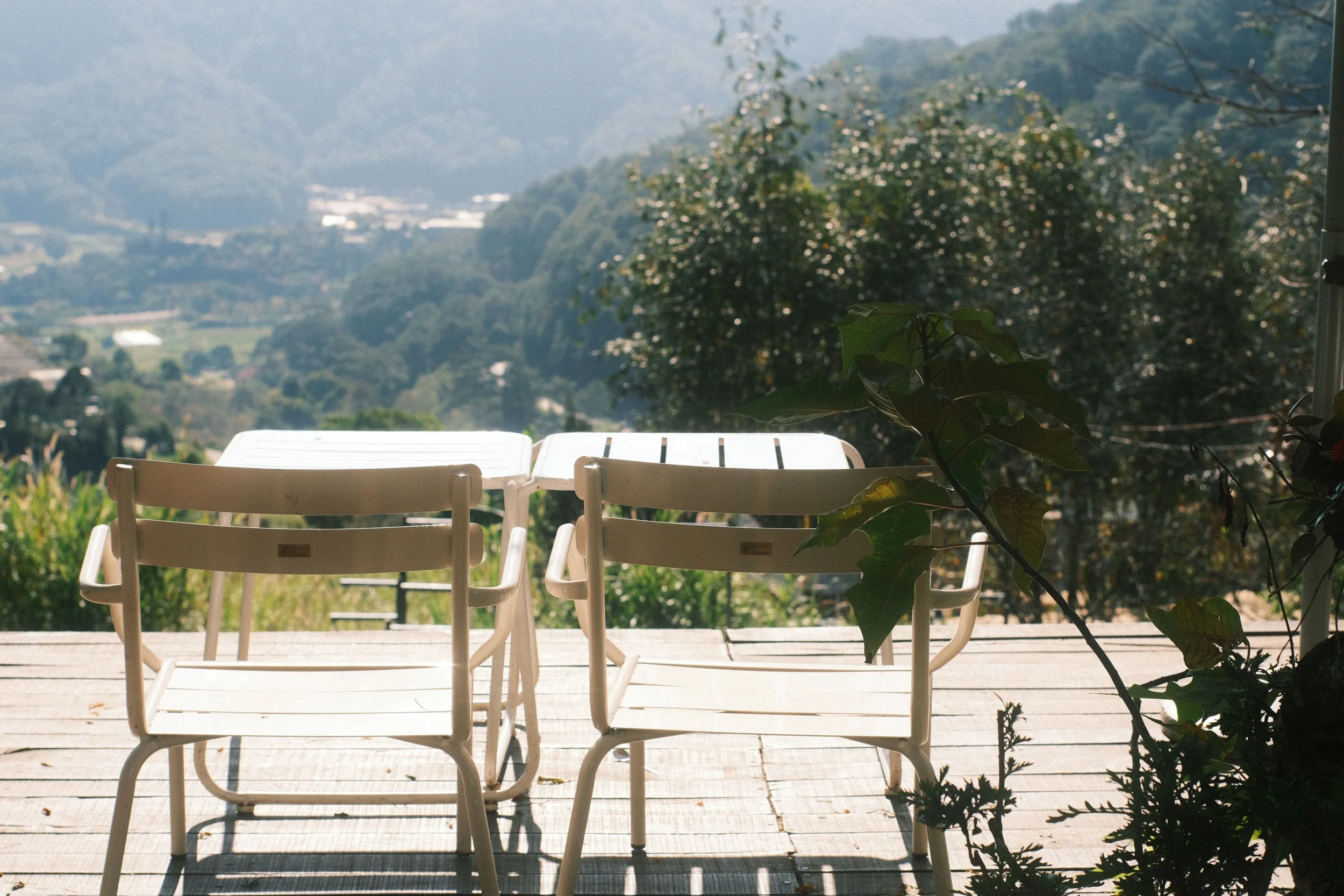
The pines seem to absorb noise. The sandy landscape softens everything around it. Even the architecture feels restrained. There is no need to announce importance because everyone already understands where they are. The village moves with a kind of confidence that only comes from time.
Women, particularly Black and queer women, are always aware of what places ask of them when they enter. Some environments require preparation and performance. Some require translation. Pinehurst feels different.
Because of its place in golf history, it demands that you consider cultural inheritance.
We consider the stories we receive before we check in at the pro shop. We mull over the assumptions we inherit about who belongs on the course and who does not. We replay the narratives that become so embedded in institutions that they begin to feel natural.
As much as golf has inherited beauty and tradition, it has also inherited exclusion. Unfortunately, nowhere is that reality more visible than in places that are considered sacred within the game.
The interesting thing about Pinehurst is that it forces you to hold both truths simultaneously. You can admire the place while still questioning its omissions. You can appreciate the beauty while still wondering who was absent from the portrait hanging on the wall.
That tension is where growth begins. As progress happens, every institution eventually has to decide whether it wants to preserve history or expand it. The future of Pinehurst depends on choosing both.
Beyond the Portrait
Pinehurst occupies a unique place in American golf because it is more than a destination. It is one of the places where the sport tells its story about itself.
The village is filled with evidence of what golf chooses to remember. Championship trophies. Historic photographs. Legendary architects. Famous players. The game's official lineage hangs proudly on clubhouse walls and lives comfortably within conversation. Pinehurst has become one of golf's most carefully preserved archives. Yet, like every archive, it reflects the priorities of the people who built it.
When people talk about Pinehurst, they often talk about founders, championships, traditions, and the men who shaped the game. The courses they designed. The tournaments they won. The institutions they built.
I find myself thinking about the women.
The women who walked these grounds when their relationship to the game was still being negotiated. The women who loved golf before golf fully understood how to make room for them. The women who watched from porches and practice areas before they ever saw themselves reflected in the culture. The women who built athletic lives inside systems that were not designed with their comfort, visibility, or leadership in mind.
The story of Pinehurst deserves to include them, too. It deserves to include the women teaching one another the game, the friendships formed across fairways, and the generations who carried a love for golf without always receiving recognition for it.
What feels absent is not the women themselves.
What feels absent is the documentation.
Golf's archive is remarkably detailed, yet entire generations of women's stories remain difficult to locate within it. Black women have always been part of Southern golf. We worked near courses, lived beside them, caddied on them, organized around them, and eventually played them. Yet our relationship to the game often lives in memory more than institutional record.
The story becomes quieter still when searching for Black queer women because visibility has never been distributed equally.
For generations, many Black queer women navigated sport by carrying only portions of themselves into public view. We learned how to find one another through friendship, mentorship, community, and care. We built belonging long before belonging was formally offered. In many ways, we became experts at creating clubhouses that did not require buildings.
That history feels particularly relevant in Pinehurst because Pinehurst is ultimately a place concerned with inheritance.
The question is no longer whether women belong here.
We do.
The more interesting question is what we will build now that we know it.
The future opportunity in Pinehurst is not simply increasing participation. It is expanding authorship. More women teaching. More women leading. More women shaping hospitality. More women writing the history. More Black women and Black LGBTQ+ women influencing what golf culture feels like rather than simply adapting themselves to it.
The next chapter of Pinehurst will be defined by who contributes to and expands the narrative. By who leaves fingerprints on the culture. By who ensures that future generations of women walk through these historic spaces and find evidence not only of where golf has been, but of who helped carry it forward.
The After-Round Standard™
For a place with this much mythology attached to it, Pinehurst does not rush to impress you; that feels almost rebellious.
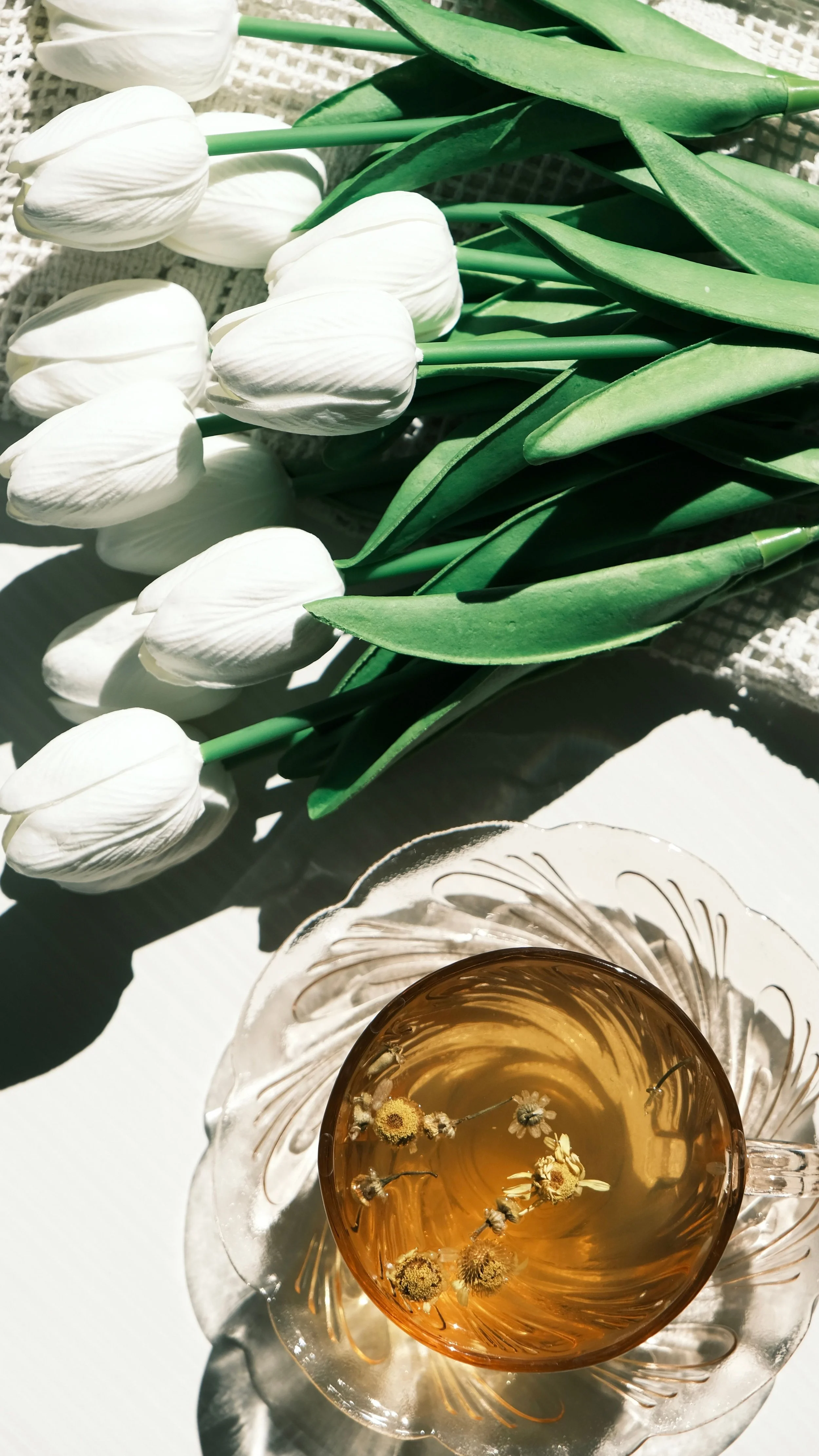
The round ends, but nobody seems particularly concerned with moving on to the next thing. There is a confidence here that only comes from age. The village knows exactly what it is. The pines know exactly where they've been. The porches seem entirely unconcerned with productivity. Nobody is asking you to optimize the experience, reminding you to maximize the moment.
You are simply invited to stay awhile, and that invitation feels rare.
The version of success many women inherit is exhausting. Keep going. Keep proving. Keep producing. Keep moving. Even leisure becomes another opportunity to perform competence. We schedule rest. Track recovery. Turn joy into another metric.
Pinehurst doesn't seem interested in any of that.
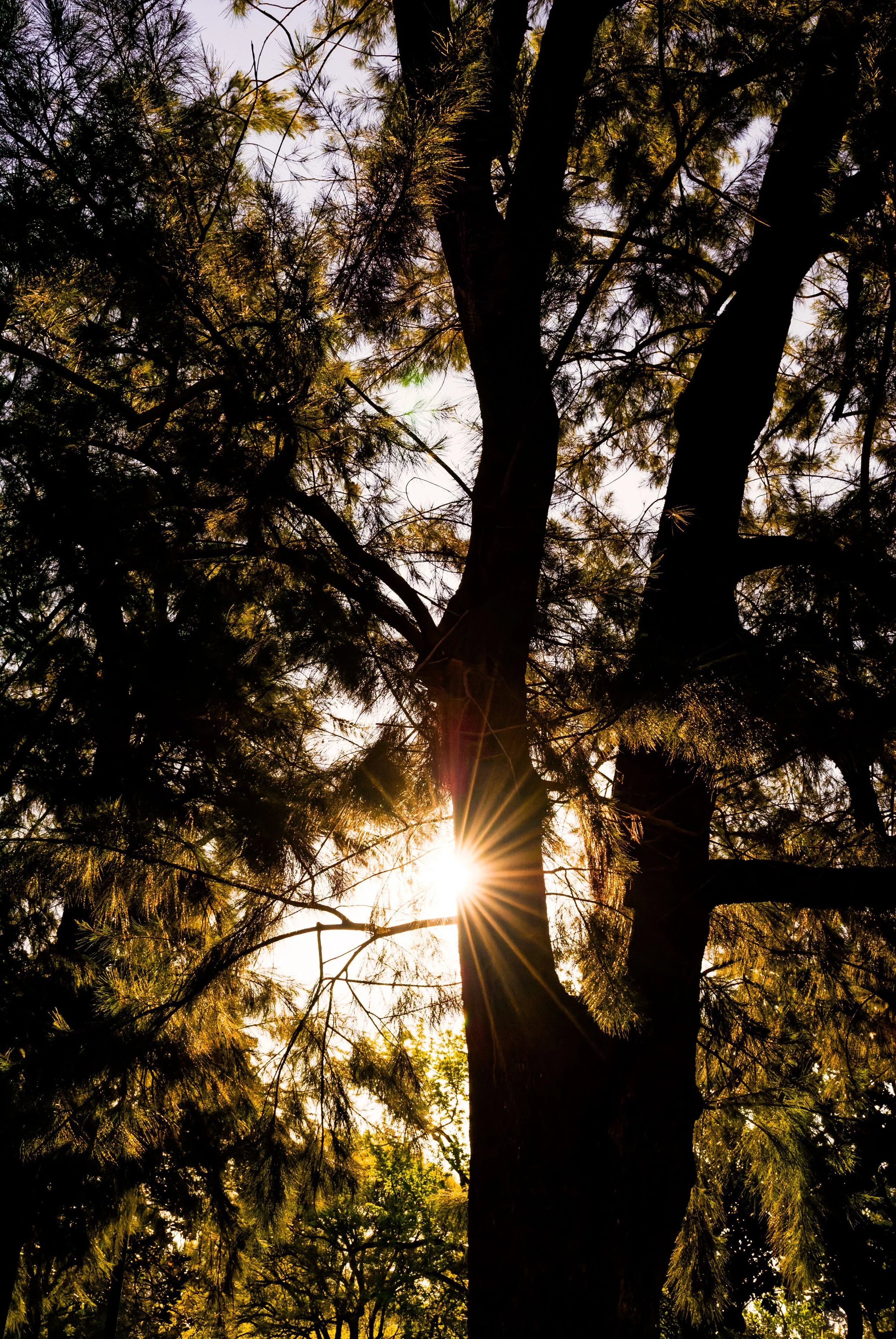
The magic happens when the scorecard gets folded into a pocket and forgotten. It happens when the afternoon light starts slipping through the Carolina pines and nobody at the table notices because the stories have gotten too good. It’s when your body finally realizes the work is over and your mind follows a few steps behind.
The place understands something I think Black queer women have always known but rarely been allowed to practice- restoration requires witnesses.
Not an audience. Witnesses. It’s the people who know your name beyond your accomplishments. Spaces that do not require a performance. Environments where your nervous system is allowed to arrive before your résumé does.
Pinehurst really does get this right. The golf is extraordinary, but the atmosphere might be even better.
The porches slow the conversation down. The village rewards wandering. The landscape encourages observation. You start noticing things. The scent of pine needles warming in the afternoon sun. The sound of laughter carrying across a veranda. The way an entire evening can disappear into conversation without anyone checking the time.
The After-Round Standard™ is always about returning to yourself. Pinehurst creates unique conditions for that return.
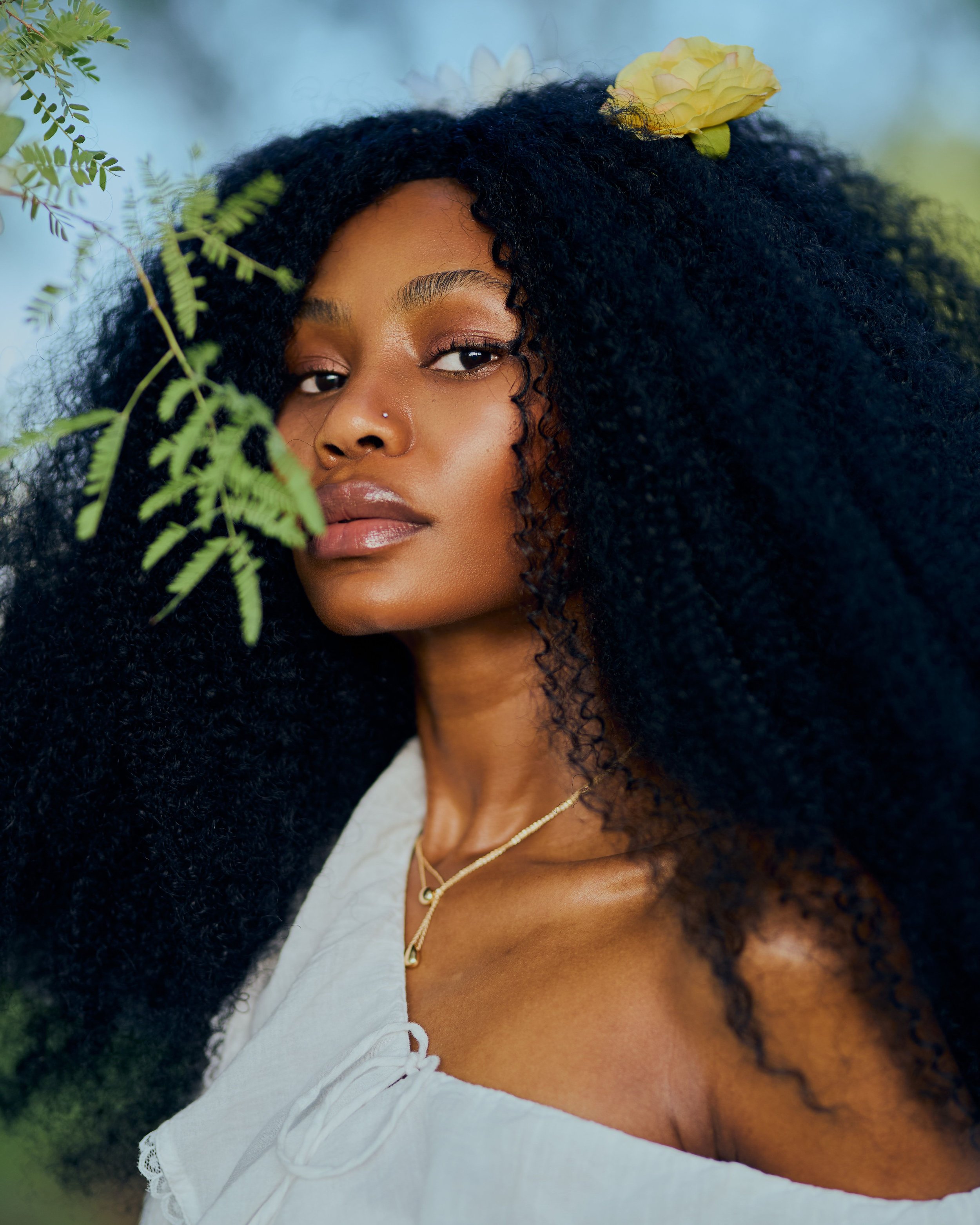
The PARLO woman arrives carrying ambition because, of course she does. She has built things. Led things. Held things together. She understands discipline. She understands excellence. She understands what it means to earn her place in a room.
But somewhere between the fairways, the front porches, and the long shadows stretching across the village, a few questions come to mind:
What if belonging isn't something you prove and rest isn't something you earn?
What if the real legacy isn't the scorecard at all?
Pinehurst understands inheritance, championships, and stories passed from one generation to the next. The cultural inheritance we are creating right now is the most important.
That includes the environments we build and the stories we document. It’s visible in the evidence we leave behind for the woman who arrives after us looking for proof that she belongs here too.
Every tradition was once a new idea somebody believed in enough to repeat. Every legacy started with someone deciding their presence mattered.
Pinehurst offers a gift of remembering that history is not finished. The story is still being written, and the porch still has room.
THE PINEHURST PALETTE
-
LIGHT
-

TEXTURE
-
PACE
-
EMOTIONAL TONE
AFTER-ROUND RECOMMENDATIONS