
ATLANTA
RHYTHM & RECLAMATION
Women stop proving they belong and start building culture.
BUILDING WHAT THEY WANT
Atlanta teaches you something about golf about something about yourself.
There is an unmistakable rhythm that lives in the neighborhoods, the music, the conversations overheard on restaurant patios, and the quiet confidence of a city that has spent generations shaping Black American culture instead of waiting for permission to participate in it.
That same rhythm follows you onto the golf course.
Atlanta wants to know what you're contributing to tradition over asking you to admire it. The city has always understood that culture is something people build together. It grows through imagination, entrepreneurship, hospitality, mentorship, and the everyday decision to make room for someone else at the table.
As a Black queer woman athlete, that can feel deeply familiar.
Many of us know what it means to create before we are recognized. We've built careers where none existed, chosen families where institutions fell short, and communities that became home long before they became visible. We've learned that belonging is something we cultivate together and rarely something we’re handed.
Atlanta reminds us that belonging is authorship. Success is measured by what you make possible for the people coming behind you. Golf has an opportunity to learn from that.
The future of women's golf will be built by women confident enough to expand traditions, reshape them, and leave them more generous than they found them.
BEYOND THE CLUBHOUSE
Atlanta has long held the title as one of the undisputed cultural capitals of Black America. Its influence is a gravitational force—a constant, humming energy across business, education, music, politics, and sport. Yet, in the archives of this city, golf has often occupied a quieter, more shadowed corner of the narrative.
For decades, our communities didn't wait for an invitation that wasn't coming. We built our own pathways. We forged them on municipal courses, in youth programs, through local associations, and within the grit and heart of HBCU athletics. While private clubs spent a century defining themselves by who they kept out, our public courses became the sanctuaries where relationships were cemented, where mentorship became a lifeline, and where opportunity was grown from the ground up.
When the history books talk about golf, they obsess over championships and the gated, manicured silence of elite clubs. They focus on the trophies. But there are gaps in that record.
Where are the women, the aunties introducing their nieces to the rhythm of a driving range. We have to hold the women who organized those standing Saturday tee times, the women who became the first golfers in their lineage, and the women who acted as the architecture for one another long before institutions saw fit to acknowledge them. Black women have always been the heartbeat of Atlanta’s golf story, even when the record chose to look the other way. Their presence has lived in the community and the competition.
That story becomes even more rhythmic, more coded, when you look for the Black queer women. They were never absent, just erased by a system that hasn't figured out how to distribute visibility with any kind of equity. Like so much of the rich, complex tapestry of Black Southern life, our most profound contributions were made in the quiet through friendship and the radical act of mentorship, through hospitality, and through a fierce, protective kind of care. We built spaces where women could show up, fully and unfiltered, long before the broader golf culture had the capacity to even imagine us.
That history hits differently in Atlanta because it has has a different level of understanding not to confuse participation with influence. The real work is creating more women teaching, more women presiding over clubs, more women at the helm of tournament directorships, and more women documenting their own history. We need more women designing spaces that feel like a homecoming before a single word is spoken. We need more Black women, and more Black LGBTQ+ women, shaping what the game feels like, rather than simply adapting their bodies and our spirits to fit into a mold that was never cast for them.
Atlanta understands that culture doesn't shift by accident. It shifts when the people at the helm actually reflect the communities they serve. Women’s golf deserves that same sovereignty.
THE AFTER-ROUND STANDARD™
Atlanta is a masterclass in celebrating ambition. But the city also knows a deeper truth: ambition without restoration is just a fast track to depletion.
Once the scorecard is filled out, dinner stretches deep into the night. Someone orders another round because the conversation has finally cracked open, moving from the technical to the essential. The city slows down just enough to remind you that connection is the currency that actually matters. Restoration sounds like laughter ricocheting off a rooftop. Sometimes, it looks like four women lingering outside a restaurant long after the tab is paid, anchored by a collective refusal to let the evening end. Sometimes, restoration is just good food, gorgeous design, and being surrounded by people who see you—not as a resume, but as a person.
The After-Round Standard™ has always been about that precise thing: the return to yourself.
Atlanta provides the perfect conditions for that homecoming. The PARLO woman shows up carrying vision, discipline, and the heavy weight of responsibility and she leaves with something more. She leaves remembering that the fullest life is built by the quality of the community she holds around her.
She understands that belonging is not a status but contribution. She knows that hospitality is a high form of leadership. She knows that culture is a living, breathing thing that we construct together. Most importantly, she walks away understanding that legacy is rarely a solo act. Like Atlanta itself, the strongest women don't just enter a room. They possess the power to leave it more beautiful, more welcoming, and more expansive than they found it.
THE ATLANTA PALETTE
-
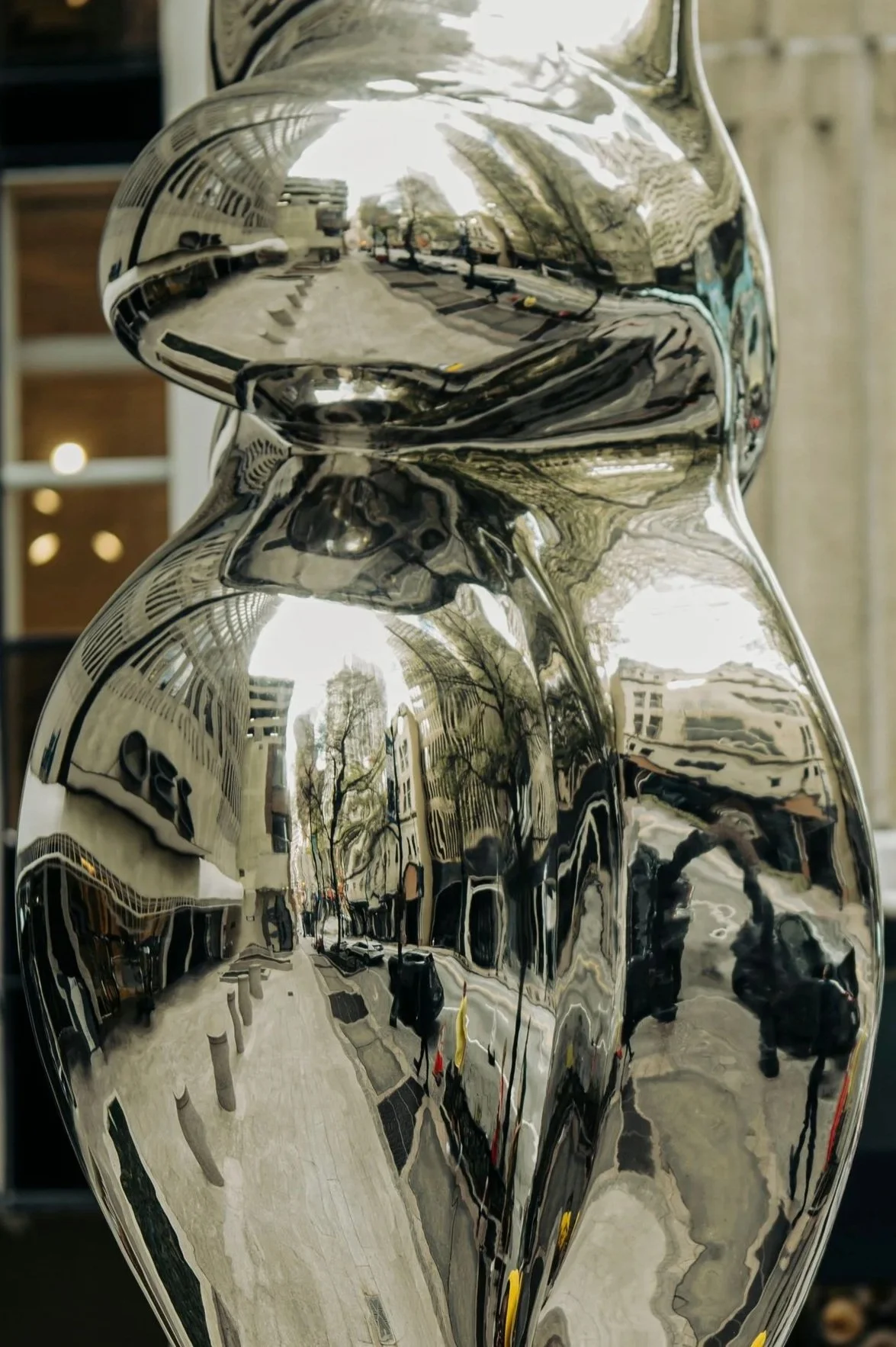
LIGHT
-

TEXTURE
-

PACE
-
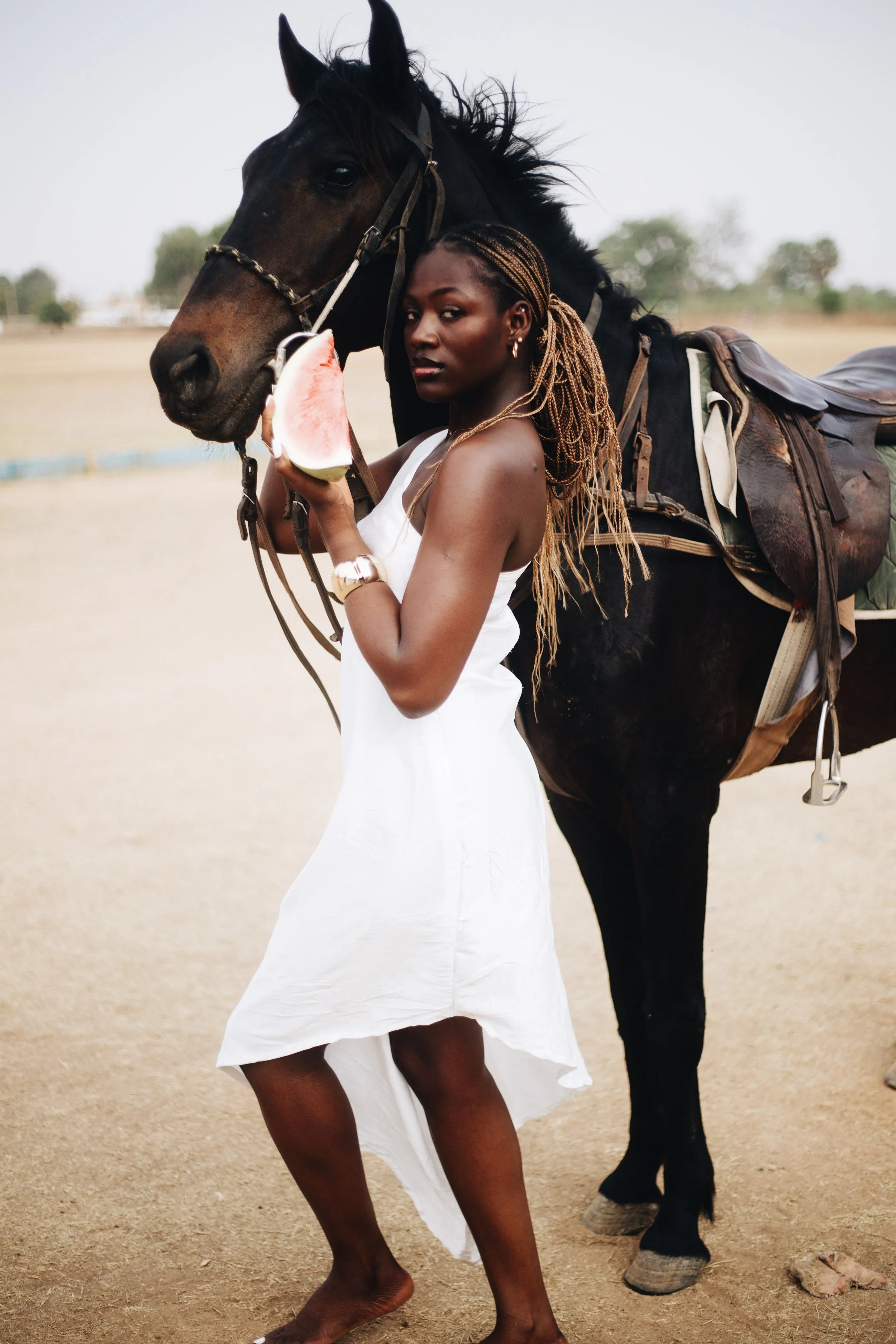
EMOTIONAL TONE
AFTER-ROUND RECOMMENDATIONS